NYC remodeling contractor specializing in high-end kitchen, bathroom, and apartment renovations across New York City.
High-End Apartment Remodeling on the Upper West Side NYC
Upper West Side
Remodeling Contractor
Gurri Remodel is a trusted Upper West Side remodeling contractor specializing in high-end apartment remodeling and interior renovations in Manhattan. The Upper West Side is known for its classic pre-war buildings, spacious apartments, and historic architectural details that require expert renovation and construction experience. With over 25 years of experience in NYC remodeling, we deliver customized renovation solutions that improve functionality, enhance layouts, and meet the expectations of luxury living in New York City.
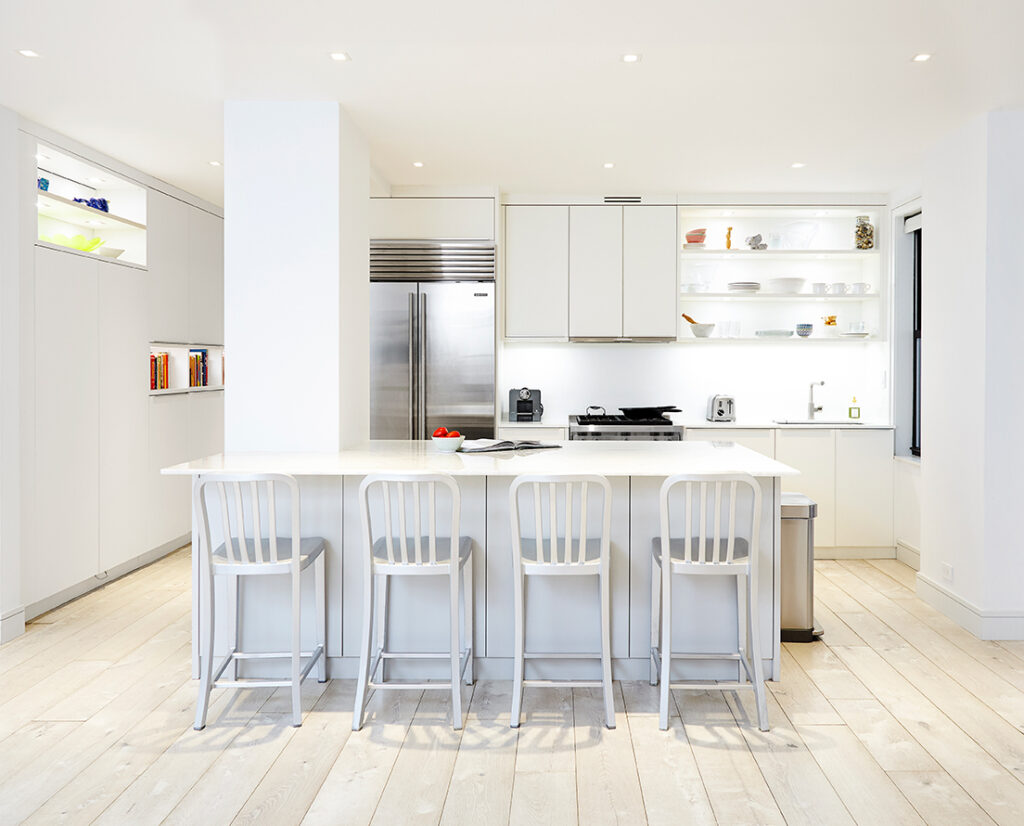
Full Apartment Renovation Upper West Side
We provide complete apartment renovation services on the Upper West Side, managing every stage of the remodeling process from demolition to final construction. Our team handles layout modifications, structural upgrades, and full interior remodeling designed to optimize space and improve daily living. Each project is executed with precision and efficiency, ensuring high-quality results that align with the standards of Upper West Side residential buildings and co-op requirements.
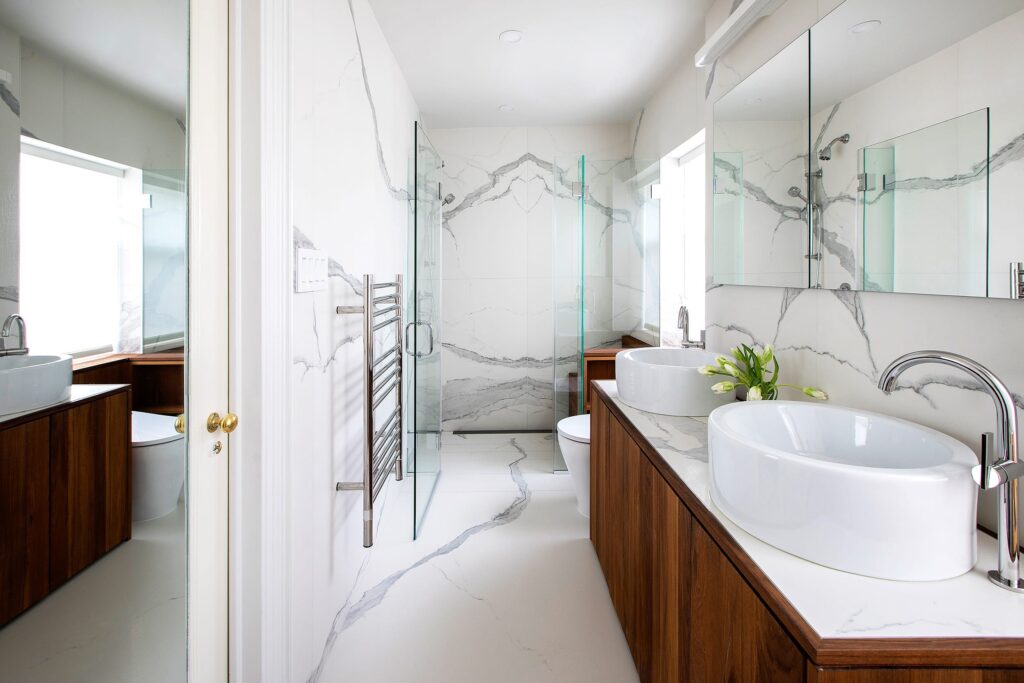
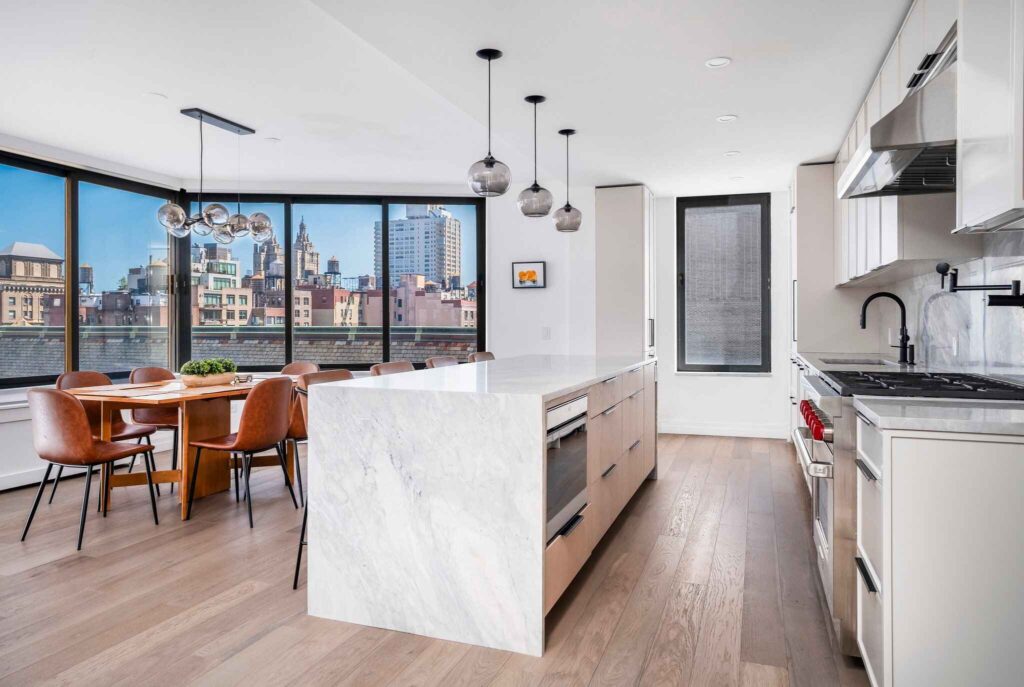
Kitchen & Bathroom Remodeling Upper West Side
Gurri Remodel delivers high-end kitchen remodeling and bathroom renovations on the Upper West Side, focusing on both functionality and refined finishes. From custom kitchen layouts and premium cabinetry to modern bathroom upgrades and detailed tile installation, we create spaces tailored to NYC apartments. Our remodeling services combine quality materials with expert craftsmanship, delivering long-lasting and visually refined results for every project.
Much of the Upper West Side is pre-war. See pre-war apartment renovation for how we preserve original detail while upgrading the apartment, and co-op renovation for board approvals.
NYC General Contractor for Upper West Side Projects
As a licensed NYC general contractor, Gurri Remodel manages all aspects of construction and renovation projects on the Upper West Side. We coordinate all trades, handle building approvals, and ensure compliance with New York City regulations and co-op guidelines. Our experience working in Manhattan residential buildings allows us to deliver smooth project execution, maintaining timelines and high construction standards from start to completion.
What Upper West Side Buildings Are Actually Like to Work In
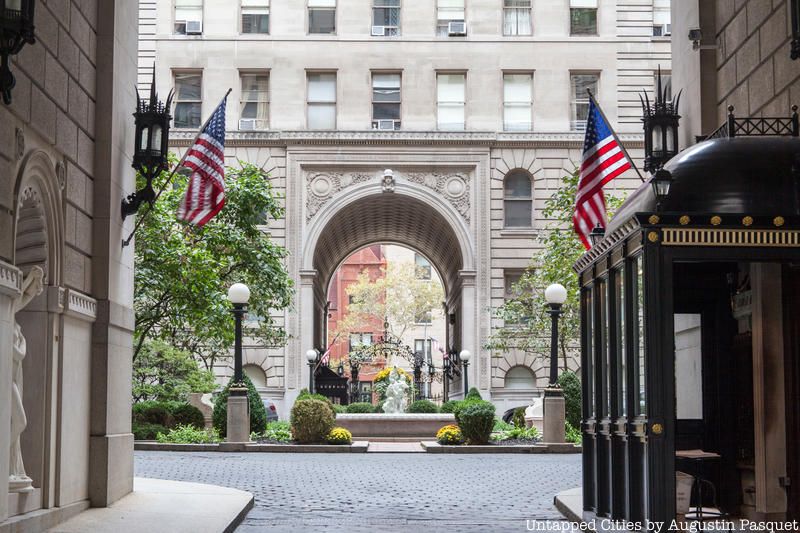
The Upper West Side is defined by three residential avenues and the side streets between them. Central Park West, West End Avenue and Riverside Drive carry large pre-war co-operatives, most built between the 1900s and the early 1930s — masonry construction, timber floor framing, plaster on lath, and apartments laid out with formal rooms, long entry galleries and service wings. Broadway and Amsterdam add post-war buildings on concrete slabs. The side streets carry brownstones and small walk-ups, many of them within designated historic districts.
The pre-war apartments here are frequently larger than their Upper East Side equivalents and just as constrained. Original mouldings, panelled doors and herringbone floors are common and usually worth keeping. Service wings and maids’ rooms are the most common source of extra space when a kitchen needs to grow, and reworking them is a layout and approval question first.
Board Approval on the Upper West Side
The large Central Park West, West End Avenue and Riverside Drive buildings are almost all co-operatives, and they run formal alteration processes: a signed alteration agreement, architect-stamped drawings, engineer review on the building’s behalf, certificates of insurance naming the corporation, the board and the managing agent, and defined working hours.
Apartment combinations are more common on the Upper West Side than in most of Manhattan, and they raise the bar further — structural review, sometimes a separate city filing, and a longer board timeline. Our co-op renovation page covers the process; for condominium buildings, see the condo renovation page.
Constraints That Come Up Repeatedly in This Neighbourhood
Wet-over-dry. As across pre-war Manhattan, moving a kitchen or bathroom over a neighbour’s dry room is usually prohibited. Riser positions decide what is realistic.
Radiator heat and old risers. Steam heat is still standard in these buildings. Relocating or concealing radiators has to respect how the system was designed to work, and riser access is often behind original finishes.
Plaster and lath. Original plaster is worth repairing where it can be saved. It also means demolition is dirtier and slower than in a drywall building, and protection matters more.
Historic districts. Central Park West and the Riverside Drive–West End area include designated historic districts. Exterior work, windows above all, goes through Landmarks review separately from the board.
One service elevator. Booking, hours and debris routes have to be planned around it. Our pre-war apartment renovation page covers the construction side of this building type.
Kitchens and Bathrooms in Upper West Side Apartments
Upper West Side pre-war kitchens are typically service kitchens set away from the entertaining rooms, and the most valuable change is often opening or extending them into an adjacent pantry or maid’s room rather than refitting the existing footprint. Ventilation is frequently limited to recirculation.
Bathrooms concentrate on waterproofing, drainage falls and the building’s leak-test requirements. Our kitchen remodeling and bathroom remodeling pages cover the detail.
Upper West Side Projects
Completed work in the area includes a Central Park West kitchen remodel. More is on our projects page, and client feedback is on our reviews page.
Upper West Side Renovation Questions
Are Upper West Side buildings mostly co-ops?
The large pre-war buildings on Central Park West, West End Avenue and Riverside Drive are overwhelmingly co-operatives. Condominiums are more common in newer construction along Broadway and in recent developments, and the approval process differs meaningfully between the two.
Can two Upper West Side apartments be combined?
It is done regularly here, but it is a bigger undertaking than a single-apartment renovation. Expect structural review, a longer board process and, depending on the work, a separate city filing. It is worth confirming the building has permitted combinations before committing.
What happens to original mouldings and floors?
Where they can be saved, they generally should be — they are a large part of what makes these apartments what they are. Plaster repair, moulding matching and floor restoration are normal parts of the work rather than exceptions.
Do I need Landmarks approval for an Upper West Side renovation?
Only for exterior work. Parts of Central Park West and the Riverside Drive–West End area are designated historic districts, so window replacement and street-visible changes need Landmarks review alongside the building’s own approval. Interior work generally does not.
How long does an Upper West Side apartment renovation take?
It depends on scope and on the building. The variable that most often stretches the timeline is board review, not construction, which is why we submit the approval package as early as the design allows.
To discuss an Upper West Side renovation, get in touch. Our process page sets out what happens from the first site visit onward.
Discuss Your Project
Start your high-end NYC remodeling project with a trusted general contractor delivering precision, quality, and expert execution.