

NYC remodeling contractor specializing in high-end kitchen, bathroom, and apartment renovations across New York City.
High-End Apartment Remodeling in Chelsea NYC
Chelsea Remodeling Contractor
Gurri Remodel is a trusted Chelsea remodeling contractor specializing in high-end apartment remodeling and interior renovations in Manhattan. Chelsea is known for its mix of modern residential buildings, classic apartments, and contemporary interiors that require experienced renovation and construction expertise. With over 25 years of experience in NYC remodeling, we deliver tailored solutions that enhance functionality, improve layouts, and meet the expectations of high-end living in New York City.

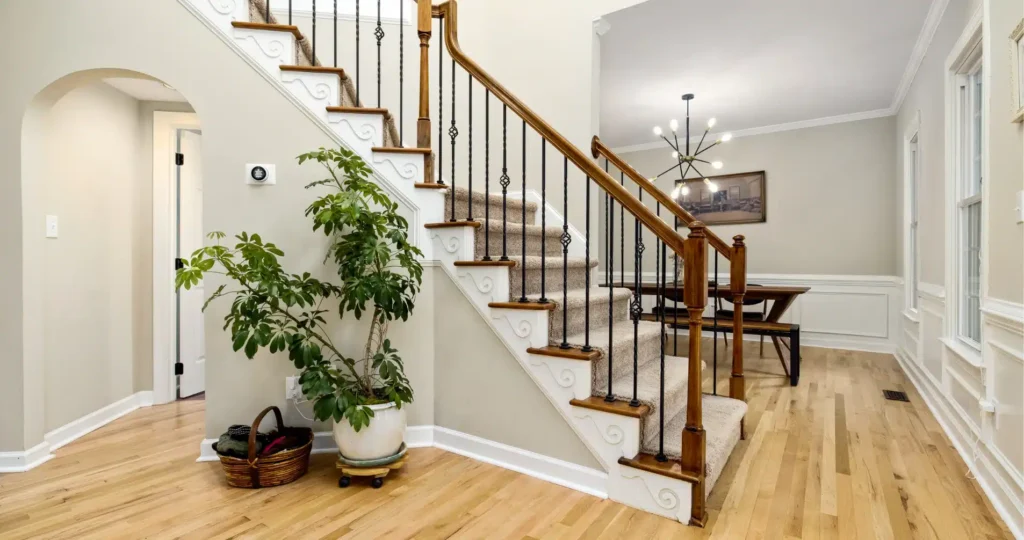
Full Apartment Renovation Chelsea
We provide complete apartment renovation services in Chelsea, managing every phase of the remodeling process from demolition to final construction. Our team specializes in full interior remodeling, layout reconfigurations, and structural upgrades tailored to Chelsea apartments and residential properties. We focus on maximizing space efficiency, improving flow, and delivering high-quality construction that aligns with the standards of modern Manhattan living.
Kitchen & Bathroom Remodeling Chelsea
Gurri Remodel delivers high-end kitchen remodeling and bathroom renovations in Chelsea, creating functional and refined interior spaces. From custom kitchen layouts and premium cabinetry to modern bathroom upgrades and detailed tile installation, every element is executed with precision. Our remodeling services are designed to meet the needs of Chelsea residences, combining high-quality materials with expert craftsmanship for long-lasting results.
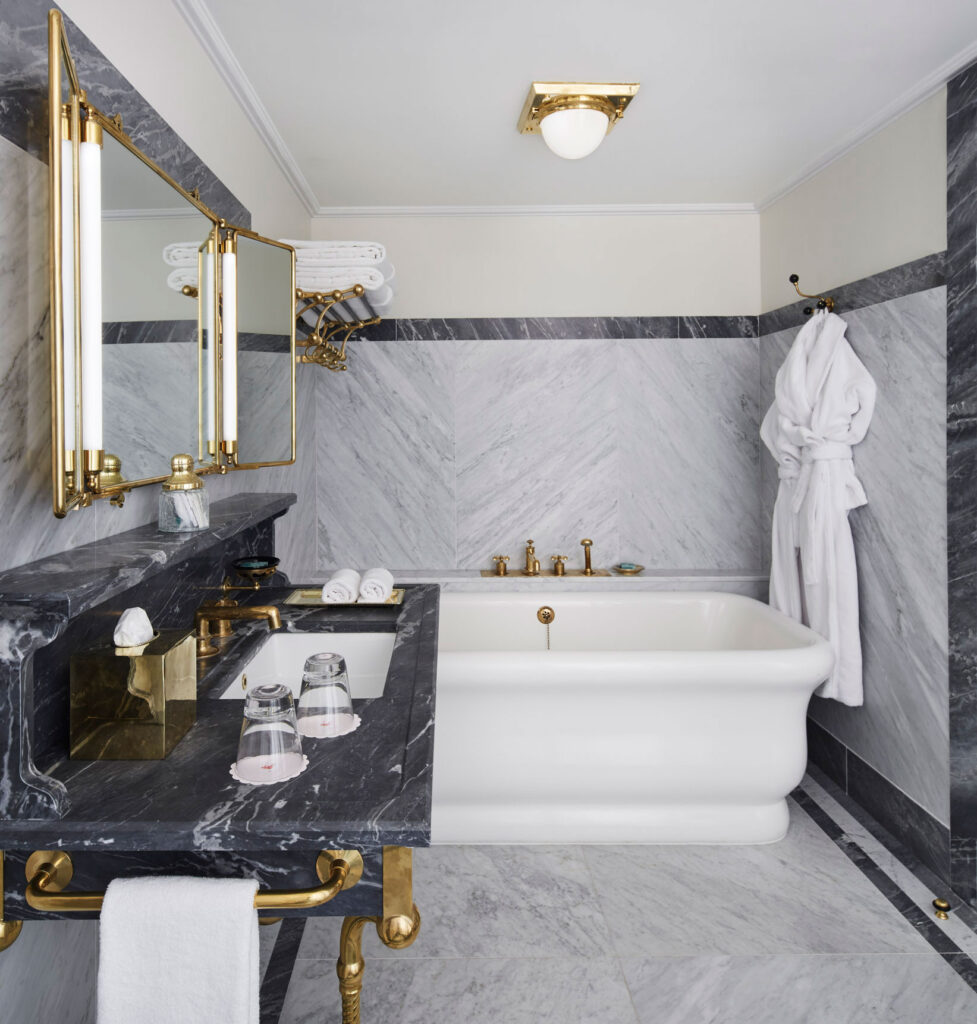
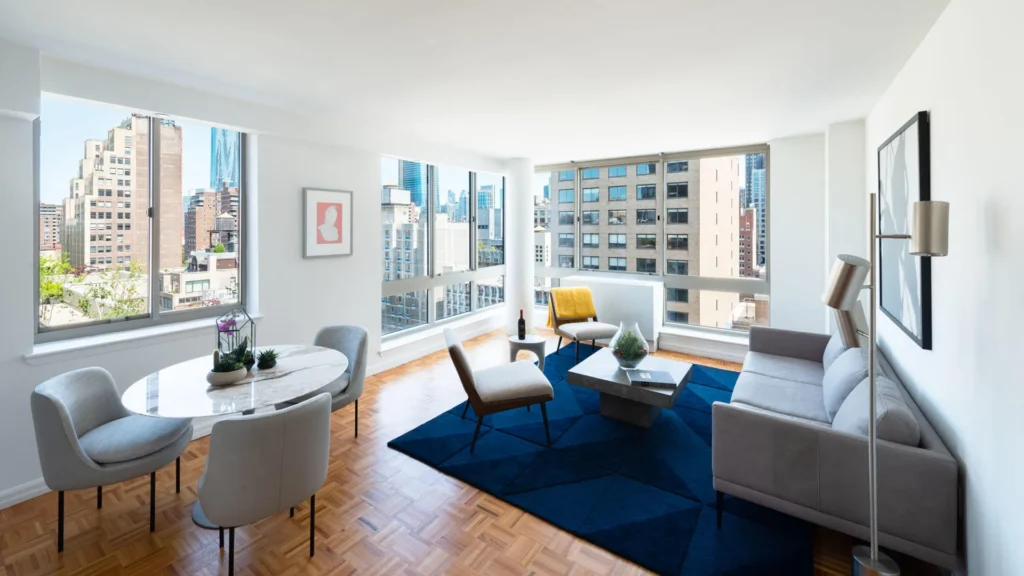
NYC General Contractor for Chelsea Projects
As a licensed NYC general contractor, Gurri Remodel manages all aspects of construction and renovation projects in Chelsea. We coordinate trades, ensure compliance with building regulations, and maintain efficient timelines throughout the remodeling process. Our experience working in Manhattan residential buildings allows us to deliver seamless project execution with consistent quality and professional oversight from start to completion.
What Chelsea Buildings Are Actually Like to Work In
Chelsea has the most mixed building stock of any neighbourhood on this list, and that is the single most useful thing to know before planning a renovation here. Within a few blocks you will find nineteenth-century row houses and tenement-era walk-ups, large pre-war co-operatives, mid-century post-war buildings on concrete slabs, converted commercial and gallery buildings in the west twenties, and new condominium construction along the High Line corridor.
Each of those is a different project. A pre-war walk-up on a side street involves timber framing, older services and stair access. A post-war co-op involves a concrete slab and the plumbing limits that come with it. A recent High Line condominium involves a strict alteration agreement, a managing agent who may still be enforcing sponsor-era rules, and possibly a live developer warranty. We establish which of these we are in before pricing anything.
Approval Depends Entirely on Which Chelsea You Are In
In the pre-war and post-war co-operatives, expect a full alteration agreement, stamped drawings, engineer review and insurance naming the corporation, board and managing agent — the process set out on our co-op renovation page.
In the newer condominium buildings, review is generally a test against the declaration and house rules rather than open board judgement, but newer buildings often impose stricter protection requirements and tighter access. Where a sponsor still controls unsold units, approval rights and house rules may still sit with the sponsor. Our condo renovation page covers that in full.
Constraints That Come Up Repeatedly in Chelsea
Slab versus timber. Whether you can move a bathroom or kitchen sink depends first on what you are building on. Post-war and new-construction Chelsea is concrete, with little depth for new waste runs; pre-war Chelsea is timber, with more scope and more sound transmission.
Historic districts. The Chelsea Historic District and its extension cover a substantial part of the neighbourhood, so exterior work — windows especially — can require Landmarks review alongside the building’s own process.
Converted commercial buildings. Former gallery and warehouse buildings carry conversion conditions, including sprinkler coverage and freight-only access, that purpose-built residential buildings do not.
New-build protection rules. Recent condominiums protect new common areas aggressively, and buildings still in active sales restrict anything a prospective buyer would see.
Walk-up access. Side-street walk-ups mean stair-only material handling, which drives scheduling more than scope.
Kitchens, Bathrooms and Full Apartment Renovations
Chelsea kitchen work divides along the same line as everything else here: in older buildings the question is usually how much space can be reclaimed and what ventilation exists; in newer ones it is what the slab and the by-laws permit. Bathrooms are governed by waterproofing standards and, in newer buildings, by a required leak test before tiling.
Full apartment renovations are best run as a single coordinated project in either building type. See our apartment renovations, kitchen remodeling and bathroom remodeling pages, and our pre-war apartment renovation page for the older stock.
Chelsea Renovation Questions
Is renovating a new Chelsea condo easier than an older building?
Approval is usually more predictable, because a condo board tests the application against written rules rather than exercising broad discretion. Construction can be more constrained, though — concrete slabs limit plumbing relocation, and new buildings enforce protection and access rules tightly.
Does the Chelsea Historic District affect my renovation?
It affects exterior work. Where a building falls within the district, window replacement and street-visible changes require Landmarks review in addition to building approval. Interior work in a private apartment generally does not.
Can plumbing be moved in a post-war Chelsea apartment?
Sometimes, but concrete slab construction limits how far. Without depth below the floor for new waste lines, relocation may need a raised floor section or a route through existing chases. It is a design-stage question, not a site decision.
What is different about converted gallery and warehouse buildings?
They carry the conditions of their conversion — commonly sprinkler coverage that must be maintained, freight-only access with booked hours, and services originally installed for commercial use. None of it is prohibitive; all of it needs planning.
Do you work in Chelsea walk-ups?
Yes. The main difference is access: materials and debris move by stair, delivery sizes are limited by the staircase, and the schedule is built around that rather than around the construction itself.
To discuss a Chelsea renovation, get in touch. Our process page sets out what happens from the first site visit onward, and client feedback is on our reviews page.
Discuss Your Project
Start your high-end NYC remodeling project with a trusted general contractor delivering precision, quality, and expert execution.