NYC remodeling contractor specializing in high-end kitchen, bathroom, and apartment renovations across New York City.
High-End Townhouse & Apartment Remodeling in West Village NYC
West Village Remodeling Contractor
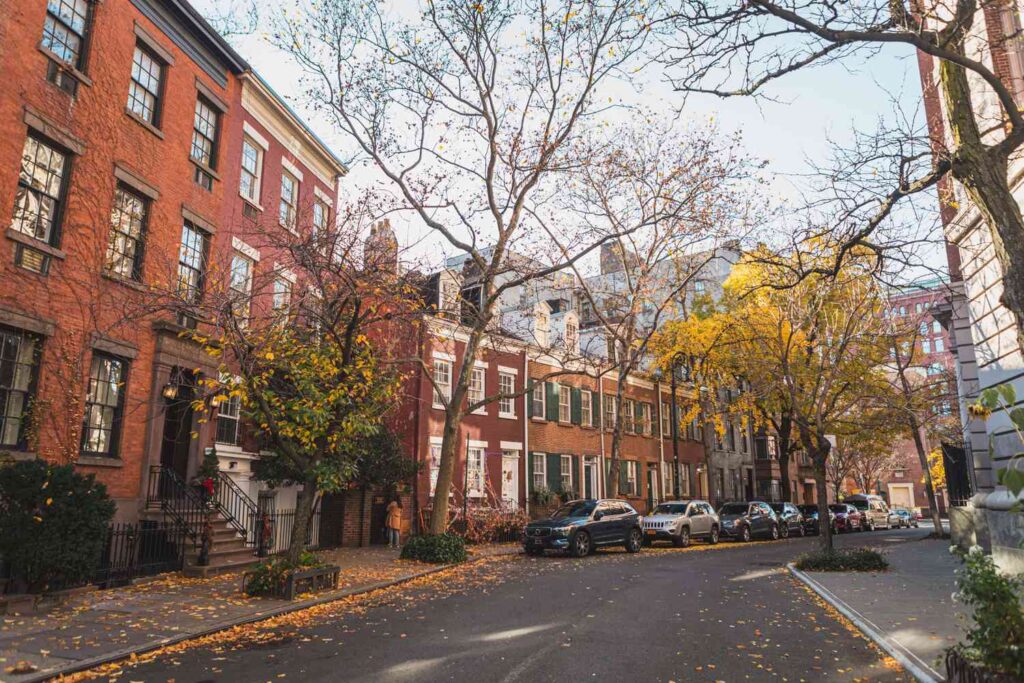
Gurri Remodel is a trusted West Village remodeling contractor specializing in high-end apartment remodeling and interior renovations in Manhattan. The West Village is known for its historic townhouses, charming pre-war buildings, and unique residential layouts that require expert renovation and construction experience. With over 25 years of experience in NYC remodeling, we deliver custom solutions that enhance functionality while preserving architectural character, meeting the expectations of high-end living in one of New York City’s most desirable neighborhoods.
Full Apartment & Townhouse Renovation West Village
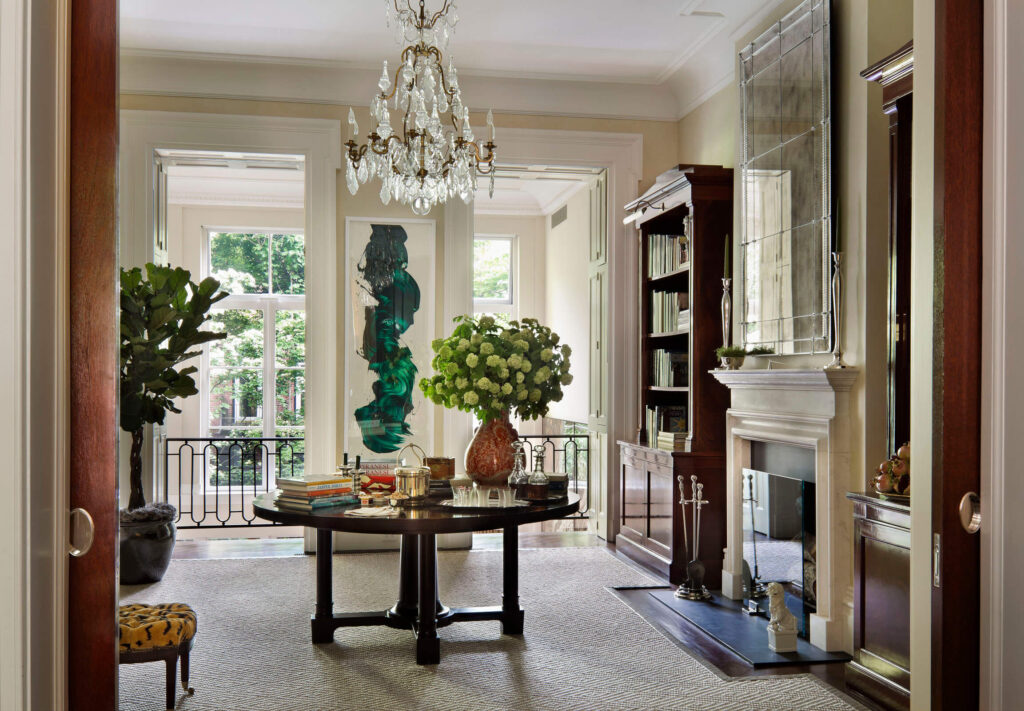
We provide complete apartment and townhouse renovation services in the West Village, managing every phase of the remodeling process from demolition to final construction. Our team specializes in full interior remodeling, layout reconfigurations, and structural upgrades tailored to historic and modern residences. We focus on improving space efficiency, upgrading interiors, and maintaining the architectural integrity that defines West Village properties.
Kitchen & Bathroom Remodeling West Village
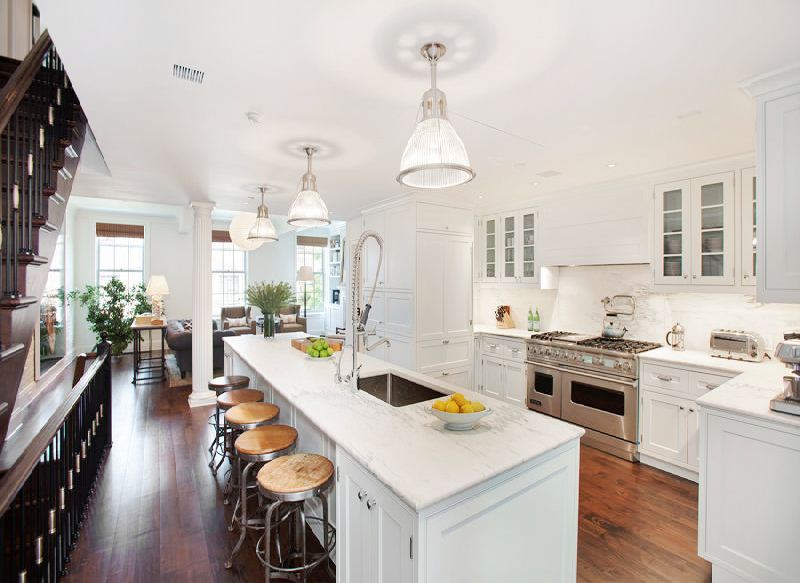
Gurri Remodel delivers high-end kitchen remodeling and bathroom renovations in the West Village, creating functional and refined interior spaces. From custom kitchens designed for compact layouts to luxury bathroom renovations with premium finishes and detailed tile work, every project is executed with precision. Our remodeling services are tailored to West Village homes, combining modern construction techniques with timeless craftsmanship.

NYC General Contractor for West Village Projects
As a licensed NYC general contractor, Gurri Remodel manages all aspects of construction and renovation projects in the West Village. We coordinate trades, ensure compliance with building and landmark regulations, and maintain efficient timelines throughout the remodeling process. Our experience working in historic Manhattan properties allows us to deliver seamless project execution with high-end results and careful attention to detail.
What West Village Buildings Are Actually Like to Work In
The West Village is the hardest part of Manhattan to renovate in, and the reason is scale. Most of the neighbourhood is nineteenth-century low-rise: brick and brownstone row houses, small tenement-era walk-ups converted to apartments, and a modest number of purpose-built buildings. Almost all of it sits within the Greenwich Village Historic District or one of its extensions.
The practical consequences are immediate. Many buildings have no service elevator — often no elevator at all — so every delivery and every bag of demolition debris moves by stair. Floor plates are small, so there is little room to stage materials inside the apartment. Streets are narrow and frequently restricted, so loading has to be planned rather than assumed. None of this makes the work harder to build. It makes it harder to schedule, and it is why West Village projects are won or lost on logistics.
Historic District Review Is a Constant Here
Because the Greenwich Village Historic District covers so much of the neighbourhood, exterior work is subject to Landmarks review far more often than elsewhere. Windows are the usual trigger, but rear facades, areaways, roof-level work and anything visible from a public street can be as well. Landmarks review runs on its own timeline, entirely separate from the building’s approval process, and it is worth starting early.
Interior work in a private apartment generally falls outside that jurisdiction. Where a building is a co-op or condominium, the building’s own process still applies — see our co-op renovation page or condo renovation page depending on which you own.
Constraints That Come Up Repeatedly in the West Village
Stair-only access. No service elevator changes the sequencing of a whole project, from cabinet sizes to how debris leaves the building.
Old and shared services. Plumbing and electrical in converted nineteenth-century buildings is often older and shared in ways that only reveal themselves once demolition starts. Surveying properly beforehand reduces surprises but does not eliminate them.
Irregular structure. Row houses and early conversions were not built to a repeating grid. Floor levels change, walls are rarely square, and joist directions are not always what the drawings suggest.
Small floor plates. Layout gains come from careful reworking rather than from moving major elements, and every centimetre of a plan tends to matter.
Neighbour proximity. In small buildings the neighbours are immediately adjacent, and goodwill on hours and noise is worth protecting. Our pre-war apartment renovation page covers working in older construction.
Kitchens, Bathrooms and Full Apartment Work
West Village kitchens are usually an exercise in getting a genuinely usable kitchen into a small footprint, which puts the emphasis on joinery, appliance selection and ventilation rather than on moving services. Bathrooms concentrate on waterproofing and on working with drainage that may be considerably older than the apartment above it.
Full apartment and townhouse renovations here benefit most from being run as a single coordinated project, because access is the binding constraint and it is wasteful to negotiate it more than once. See our apartment renovations, kitchen remodeling and bathroom remodeling pages.
West Village Renovation Questions
Does the Greenwich Village Historic District affect my renovation?
It affects exterior work. Window replacement and anything visible from the street generally require Landmarks review, which runs separately from and in addition to any building approval. Interior work in a private apartment usually falls outside that jurisdiction.
How does a building with no service elevator change the project?
It changes the schedule more than the scope. Materials and debris move by stair, deliveries have to be sized to fit the staircase, and the whole sequence is planned around access. It is workable, but it has to be planned rather than discovered.
Are West Village buildings co-ops or condos?
Both, plus privately owned row houses. Smaller converted buildings are frequently co-ops with a small board and an informal process, which can be quicker than a large building or slower, depending entirely on the people involved.
What usually goes wrong in older West Village buildings?
What is behind the walls. Nineteenth-century construction that has been altered repeatedly rarely matches its drawings, and older plumbing and wiring frequently need more attention than the visible scope suggested. A thorough survey narrows that risk considerably.
Do you work on West Village townhouses?
Yes. Townhouse work involves whole-building systems rather than a single apartment, stair-only access throughout, and Landmarks review for exterior elements — a different kind of project from an apartment renovation, and one that rewards careful sequencing.
To discuss a West Village renovation, get in touch. Our process page sets out what happens from the first site visit onward, and client feedback is on our reviews page.
Discuss Your Project
Start your high-end NYC remodeling project with a trusted general contractor delivering precision, quality, and expert execution.