NYC remodeling contractor specializing in high-end kitchen, bathroom, and apartment renovations across New York City.
Luxury Apartment Remodeling in Tribeca NYC
Tribeca Remodeling Contractor
Gurri Remodel is a trusted Tribeca remodeling contractor specializing in high-end apartment remodeling and interior renovations in Lower Manhattan. Tribeca is known for its luxury lofts, modern residences, and open-concept layouts that require precise planning and expert construction. With over 25 years of experience in NYC remodeling, we deliver custom renovation solutions that enhance space, functionality, and design while meeting the standards of high-end living in New York City.
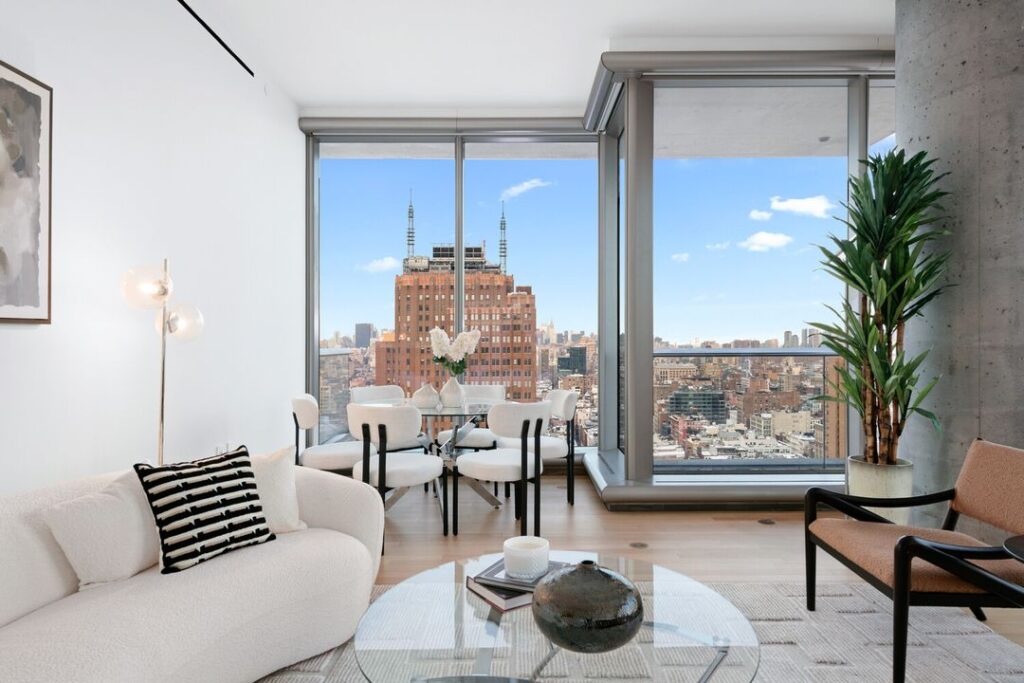
Full Apartment Renovation Tribeca
We provide complete apartment renovation services in Tribeca, managing every phase of the remodeling process from demolition to final construction. Our team specializes in loft-style renovations, layout reconfigurations, and full interior remodeling tailored to modern Tribeca residences. We focus on maximizing open space, improving flow, and delivering high-quality construction that meets the expectations of luxury Manhattan properties.
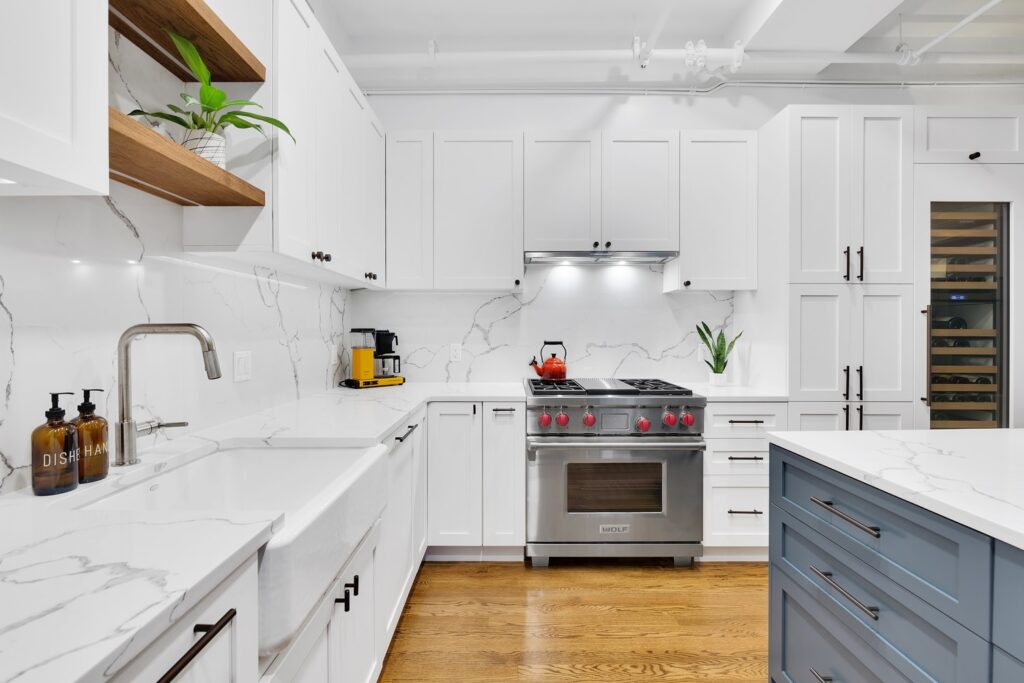
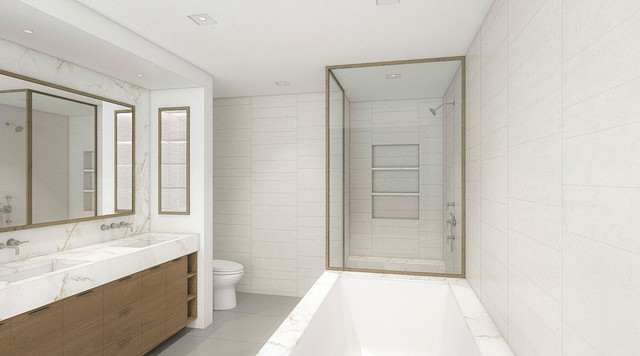
Kitchen & Bathroom Remodeling Tribeca
Gurri Remodel delivers high-end kitchen remodeling and bathroom renovations in Tribeca, creating modern, functional spaces with premium finishes. From custom kitchen installations and stone countertops to luxury bathroom upgrades and detailed tile work, our team ensures every element is built with precision. Our remodeling services are tailored to Tribeca’s contemporary interiors, combining functionality with high-end craftsmanship.
NYC General Contractor for Tribeca NYC
As a licensed NYC general contractor, Gurri Remodel manages all aspects of remodeling and construction projects in Tribeca. We coordinate all trades, ensure compliance with building regulations, and maintain efficient timelines for every project. Our experience working in luxury residential buildings and loft apartments allows us to deliver seamless execution, ensuring high-end results with minimal disruption.
What Tribeca Buildings Are Actually Like to Work In
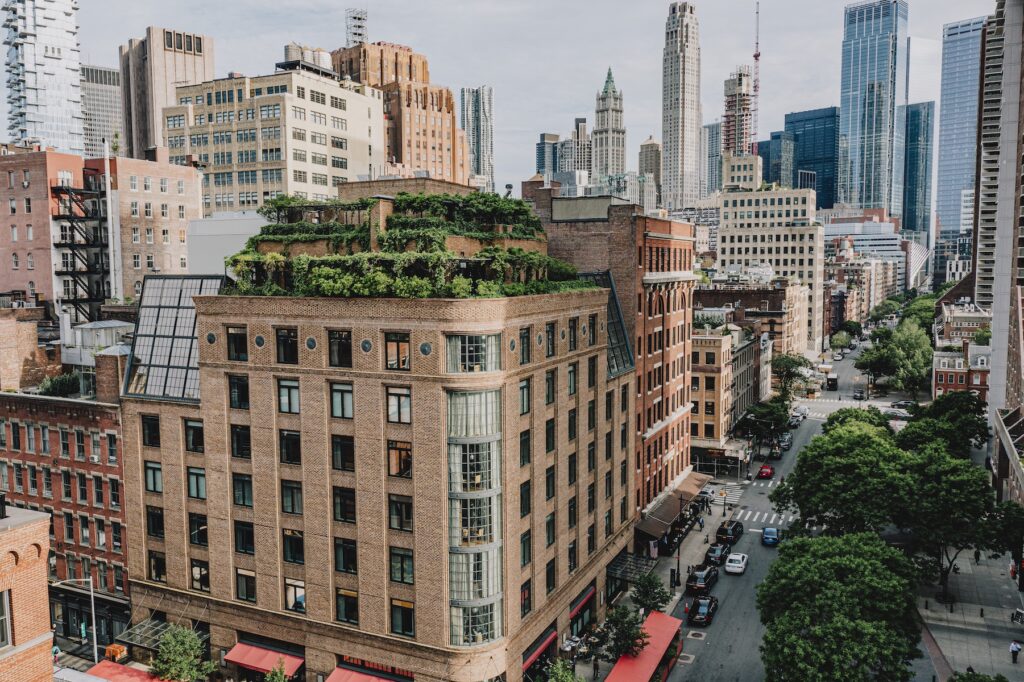
Tribeca’s residential stock is dominated by conversions. The neighbourhood was built as a wholesale and warehouse district, and most of what people now live in began as commercial loft buildings from the second half of the nineteenth century and the early twentieth — masonry exteriors, cast-iron fronts on some streets, heavy timber or early steel framing inside, and floor plates far larger than a typical Manhattan apartment. Alongside them sit newer condominium towers built on former industrial sites.
That produces a specific kind of renovation. Open plans mean fewer load-bearing partitions to work around but a much greater span between columns, and column positions you cannot move. Original timber structure behaves differently from concrete: it moves, it carries sound, and it usually cannot take a wet room in an arbitrary position. Newer Tribeca condos flip the problem entirely — concrete slabs, no depth for new waste runs, and a building that is often still tightening its house rules.
Loft Conversions Bring Their Own Rules
Converted loft buildings carry conditions that purpose-built apartment buildings do not. Sprinkler coverage is frequently a condition of the conversion and has to be maintained through any layout change. Egress and window requirements follow the conversion approvals rather than what the original building had. Mechanical systems are often shared in ways that look unusual to anyone used to a pre-war co-op.
Most Tribeca lofts are condominiums, which means the approval process is generally more mechanical than a co-op board’s — our condo renovation page covers it. Where a building is a co-op, the co-op renovation page applies instead.
Constraints That Come Up Repeatedly in Tribeca
Column grids and spans. The open plan is the appeal, and the columns are non-negotiable. Kitchen islands, partitions and lighting layouts get designed around them.
Timber structure and sound. In converted buildings, impact noise between floors is a live issue. Buildings enforce underlayment specifications, and neighbours notice.
Plumbing runs across a large floor plate. Moving a bathroom to the far side of a loft is a drainage-fall problem before it is a design problem. What is possible depends on where the stacks are.
Historic district exteriors. Much of Tribeca sits within designated historic districts. Windows and any street-visible alteration go through Landmarks review, separately from the building.
Freight access. Loft buildings usually have a freight elevator rather than a passenger service car, with its own booking rules and, in some buildings, an operator.
Kitchens, Bathrooms and Whole-Loft Renovations
Tribeca kitchens are usually about integrating a working kitchen into an open volume without it dominating the space, and about what ventilation the building allows. Bathrooms in loft conversions concentrate on waterproofing over timber structure, which is a more demanding detail than the same work over concrete.
Whole-loft renovations are common here, and they are best handled as a single coordinated project. Our apartment renovations, kitchen remodeling and bathroom remodeling pages cover the construction side.
Tribeca Projects
Completed Tribeca work in our portfolio includes an apartment remodel in Tribeca and a Thomas Street apartment renovation. More is on our projects page, and client feedback is on our reviews page.
Tribeca Renovation Questions
Are most Tribeca buildings condos or co-ops?
Condominiums predominate, particularly among the loft conversions and the newer towers, though co-ops exist. It matters because condo approval is generally a test against the by-laws and house rules, while a co-op board has wider discretion.
Can walls be removed in a Tribeca loft?
Often yes, since many partitions in a converted loft are non-structural — but columns and any original structural framing are fixed, and removals still require the building’s approval and, where structure is involved, engineering sign-off.
Can a bathroom be moved in a loft?
It depends on the distance to the existing stack and the depth available for drainage falls. Large floor plates make relocation attractive and drainage makes it difficult, so this is worth resolving at design stage rather than on site.
Does Landmarks review affect a Tribeca renovation?
Only where the work affects the exterior. Much of Tribeca lies within designated historic districts, so window replacement and street-visible changes go through Landmarks in addition to the building’s own process. Interior work generally does not.
Do Tribeca buildings restrict working hours?
Yes, as almost all New York residential buildings do. Loft buildings often also control freight elevator access tightly, which shapes how deliveries and debris removal are scheduled.
To discuss a Tribeca renovation, get in touch. Our process page sets out what happens from the first site visit onward.
Discuss Your Project
Start your high-end NYC remodeling project with a trusted general contractor delivering precision, quality, and expert execution.