
NYC remodeling contractor specializing in high-end kitchen, bathroom, and apartment renovations across New York City.
Brooklyn Remodeling Contractor for Brownstones, Co-ops, Condos and Lofts
Renovating Brooklyn Homes Since 1997
Gurri Remodel is a licensed New York City remodeling contractor, renovating homes since 1997, with offices in Manhattan and in Brooklyn. In Brooklyn we renovate kitchens, bathrooms and complete apartments and houses, from a single bathroom in a Clinton Hill co-op to a full gut renovation of a Park Slope brownstone.
Brooklyn work is different from Manhattan work. A larger share of projects are in whole houses rather than apartments, so the owner, not a board, sets the rules, and the old house itself sets most of the surprises. Wiring, plumbing, heating, floor framing and plaster in a nineteenth-century rowhouse all need to be understood before a schedule or budget means anything. At the same time, much of brownstone Brooklyn sits inside historic districts, and a growing number of owners live in co-ops, condos and loft conversions with alteration agreements as detailed as any on the Upper East Side.
We work as the general contractor, coordinating our own carpenters, stone fabricators and finishers with licensed trades, and we work alongside the architects and interior designers our clients choose. See how our process works, from first site visit to final walkthrough.
Brooklyn Housing: Brownstones, Rowhouses, Co-ops, Condos and Lofts
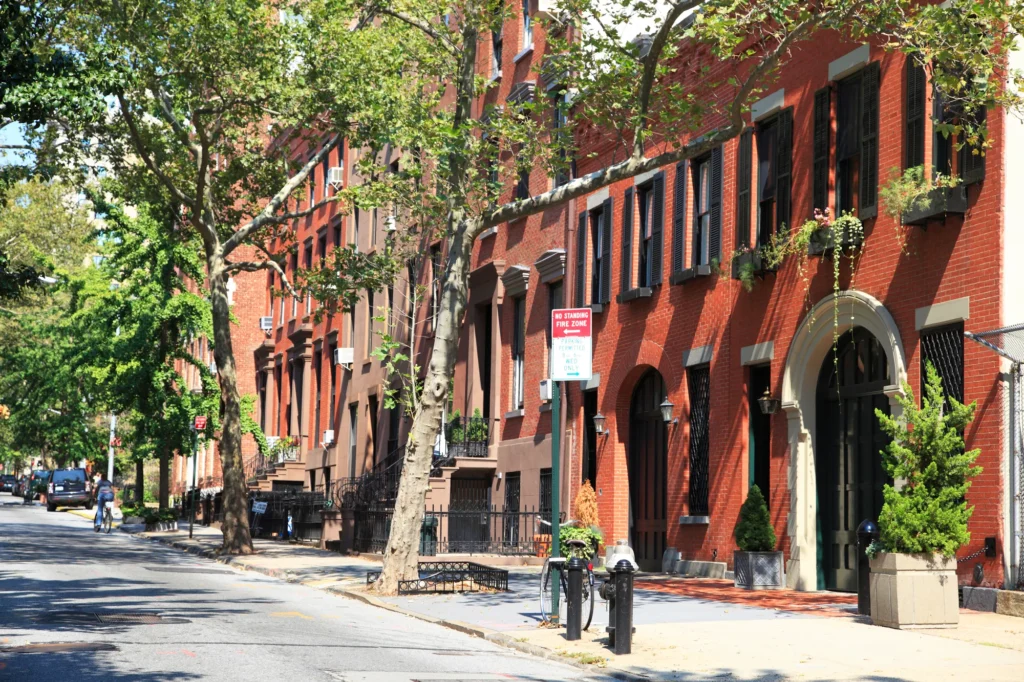
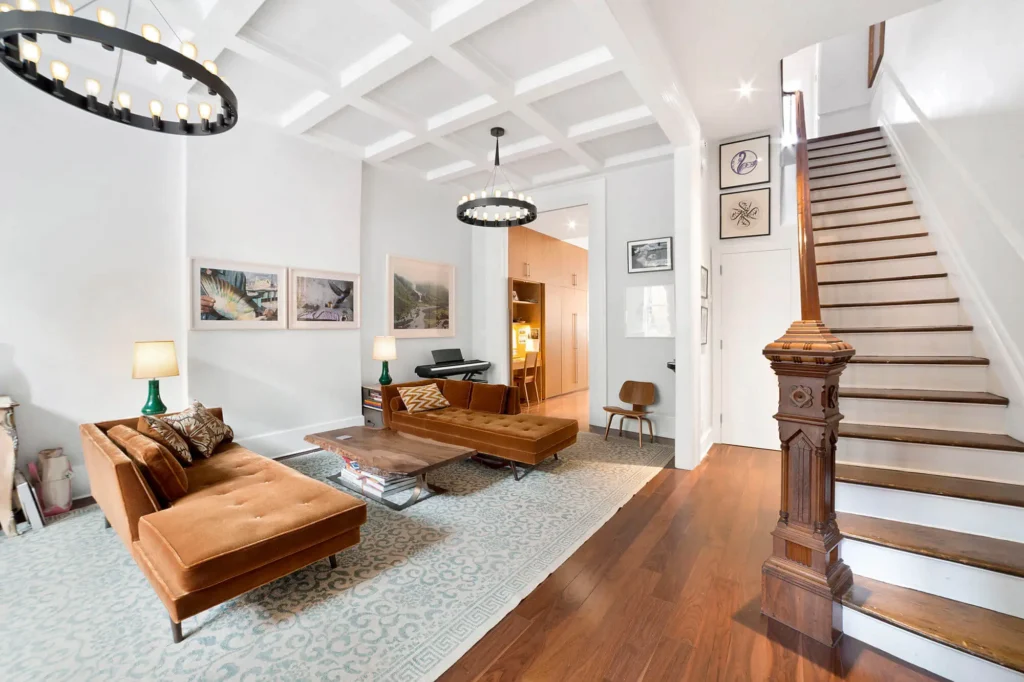
Brownstones and rowhouses. The classic Brooklyn house is a three- or four-story masonry rowhouse built in the second half of the nineteenth century, with a garden level, a parlor floor with tall ceilings and plaster moldings, and bedroom floors above. Many were divided into two or three units over the decades and are now being returned to one or two families, which changes the layout, the plumbing stacks and sometimes the building’s certificate of occupancy. Behind the facade we usually find a mix of original and later systems: old wiring, galvanized or lead supply pipes, cast-iron waste lines, joists notched by past plumbers and party walls shared with the neighbors. Our pre-war renovation experience applies directly to this work.
Limestone and frame houses. Bay Ridge, Prospect Lefferts Gardens and parts of Crown Heights have limestone rowhouses, while Ditmas Park and Victorian Flatbush have large detached wood-frame houses with porches and deep lots. Frame houses bring their own questions about framing, insulation and fire separation.
Pre-war co-ops. Elevator buildings in Brooklyn Heights, Park Slope, Prospect Heights and along Ocean Parkway and Shore Road hold pre-war co-ops with plaster walls, original layouts and boards that review every renovation. See our co-op renovation page.
Condos and lofts. DUMBO, Williamsburg, Greenpoint and Downtown Brooklyn have former warehouses converted to lofts and newer condo towers. Lofts bring concrete or heavy timber floors, exposed brick and long open plans; new towers bring tighter rules on plumbing, sound control and work hours. See condo renovation.
Landmarks, Boards and Building Rules in Brooklyn
Historic districts. Brooklyn Heights was New York City’s first historic district, and Park Slope, Fort Greene, Clinton Hill, Cobble Hill, Carroll Gardens, Boerum Hill, Prospect Heights, DUMBO and Ditmas Park all have designated districts. Inside one, exterior changes such as windows, rear extensions, rooftop additions and stoop work need Landmarks Preservation Commission approval. Interior work that needs a Department of Buildings permit generally needs a Landmarks permit as well, which is often handled quickly when the work stays inside. We prepare the contractor side of these filings with your architect.
Co-op and condo approvals. Buildings issue an alteration agreement that sets working hours, insurance requirements, deposits, elevator and delivery rules, and the plans the board’s engineer must approve before work starts. Some buildings limit major work in summer. We assemble the contractor package and keep the managing agent informed through the job.
Houses and neighbors. In a rowhouse, the neighbors share the party walls. Demolition, structural work and new openings near those walls call for care, protection and, in some cases, notice to the adjoining owners. Street parking, dumpster permits and material deliveries on narrow brownstone blocks are planned in advance.
Older finishes. Houses and buildings of this age often contain lead paint and, occasionally, asbestos in old flooring or pipe insulation. Testing comes first, and the work is planned around the results.
Brooklyn Neighborhoods We Work In
Each Brooklyn neighborhood has its own mix of houses and buildings, and that mix shapes how a renovation is planned. These are the neighborhoods with their own pages, followed by other parts of the borough where we also work.
Brooklyn Heights
Brownstones, Greek Revival and Italianate rowhouses and pre-war co-ops on the promenade side, almost all inside the historic district. Exterior changes go through Landmarks, and co-op boards review interior plans in detail.
Park Slope
Long blocks of brownstone and limestone rowhouses near Prospect Park, many converted back from several units to one or two, plus pre-war co-ops on Prospect Park West and the avenues. Garden-level kitchens and full gut renovations are common.
Carroll Gardens
Rowhouses set behind deep front gardens, with a smaller historic district at its core. Owners often open the parlor floor, rebuild the rear of the house and add bathrooms on the bedroom floors.
Clinton Hill
Brownstone and brick rowhouses, a few large freestanding mansions and pre-war co-op buildings, much of it inside the Clinton Hill historic district.
DUMBO
Former warehouses and factories converted to loft condos, with concrete floors, timber or steel structure and building rules on freight elevators, noise and deliveries.
Williamsburg
Waterfront condo towers, loft conversions and older frame and brick row buildings inland, each with very different plumbing, structure and approval paths.
Other Brooklyn neighborhoods
We also work in Cobble Hill, Boerum Hill, Fort Greene, Prospect Heights, Greenpoint, Ditmas Park, Bay Ridge, Dyker Heights, Manhattan Beach and Mill Basin. In Ditmas Park and Victorian Flatbush that means detached frame houses; in Bay Ridge, limestone rowhouses and co-ops along Shore Road; in Manhattan Beach and Mill Basin, larger detached and waterfront homes.
What we renovate in Brooklyn
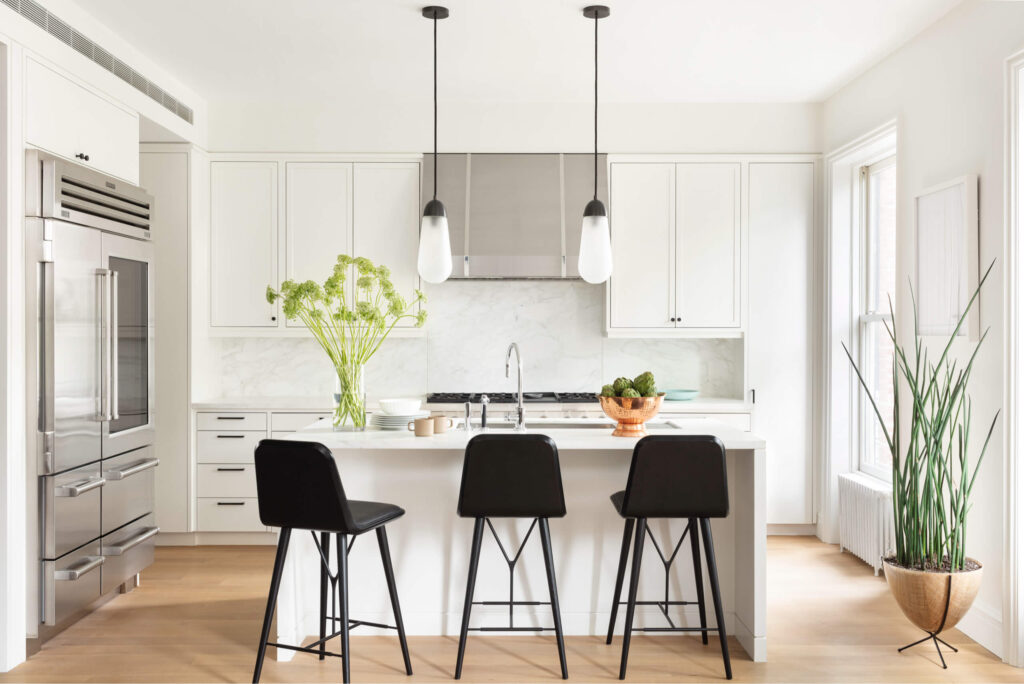
Kitchens. In a brownstone the kitchen often moves between the garden level and the parlor floor, which means new gas, venting and drain routes through old framing. In co-ops and condos the location of the risers usually decides the layout. See kitchen remodeling.
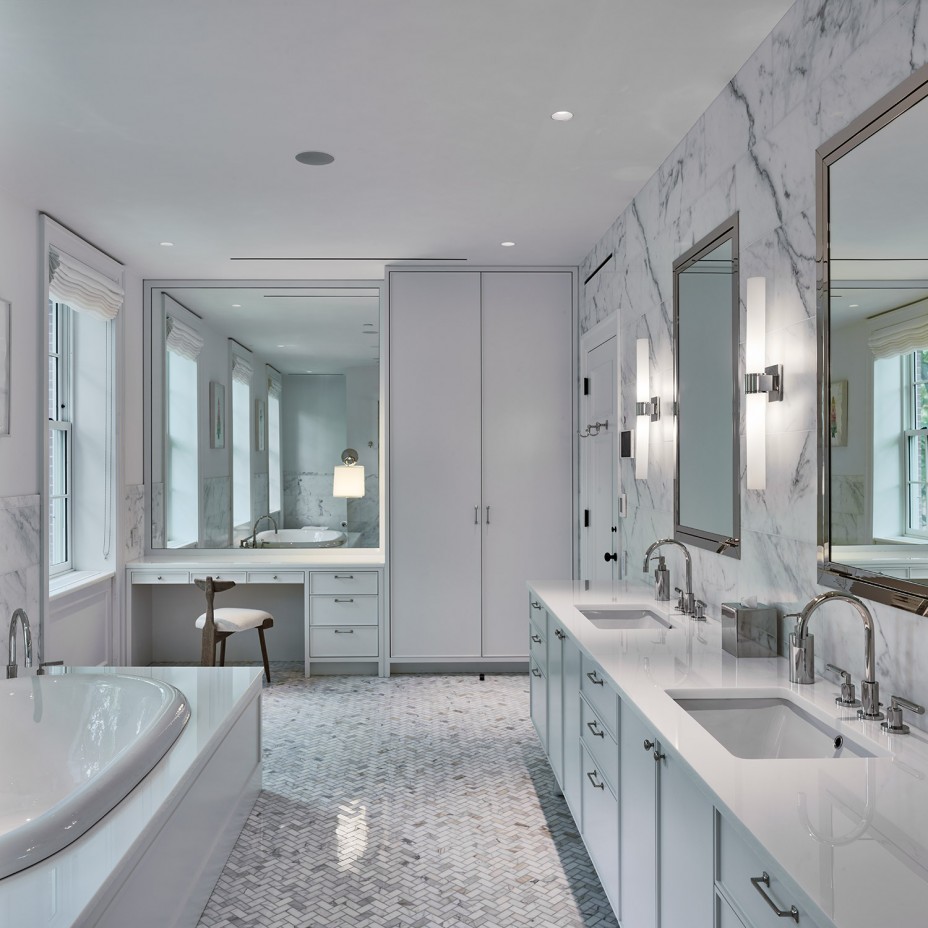
Bathrooms. New bathrooms on upper floors need waterproofing, properly supported floors for stone and tile, and ventilation that does not cut through a landmarked facade. See bathroom remodeling.
Full renovations. A gut renovation of a house usually replaces wiring, plumbing and heating, levels floors, restores or replaces plaster and rebuilds the stair and millwork. Our custom millwork, stone fabrication and plaster and specialty finishes teams handle the detail work. See apartment and house renovations.
Brooklyn renovation questions
Do I need Landmarks approval to renovate inside my brownstone?
If the house is in a historic district and the interior work needs a Department of Buildings permit, a Landmarks permit is generally required as well. Interior-only permits are usually simpler than exterior work. Windows, rear extensions and rooftop changes need full review.
Can a two- or three-family house be converted back to one family?
Often, yes, but it can change the certificate of occupancy and requires an architect’s filing with the Department of Buildings. We plan the construction side with your architect.
What do old Brooklyn houses usually hide?
Outdated wiring, old supply and waste piping, notched or undersized joists, uneven floors and lead paint are common. We open and inspect early so the schedule and budget reflect what is really behind the walls.
Do you design the renovation?
We work with the architect or interior designer you choose, or we can recommend one. We are the builder, not the designer.
Related pages
Discuss Your Project
Start your high-end NYC remodeling project with a trusted general contractor delivering precision, quality, and expert execution.