
NYC remodeling contractor specializing in high-end kitchen, bathroom, and apartment renovations across New York City.
Queens Remodeling Contractor for Co-ops, Condos and Houses
How Gurri Remodel Works in Queens
Gurri Remodel is a licensed New York City remodeling contractor that has been renovating homes since 1997. Queens is the city’s largest borough by area, and its housing is more varied than many owners expect: garden apartment co-ops from the 1910s through the 1930s, Tudor and Colonial Revival houses on planned streets, postwar co-op towers, new condominium buildings on the East River waterfront, and detached houses on the bays and the ocean. Each type comes with different approvals, different structure and different ways of getting materials in and debris out.
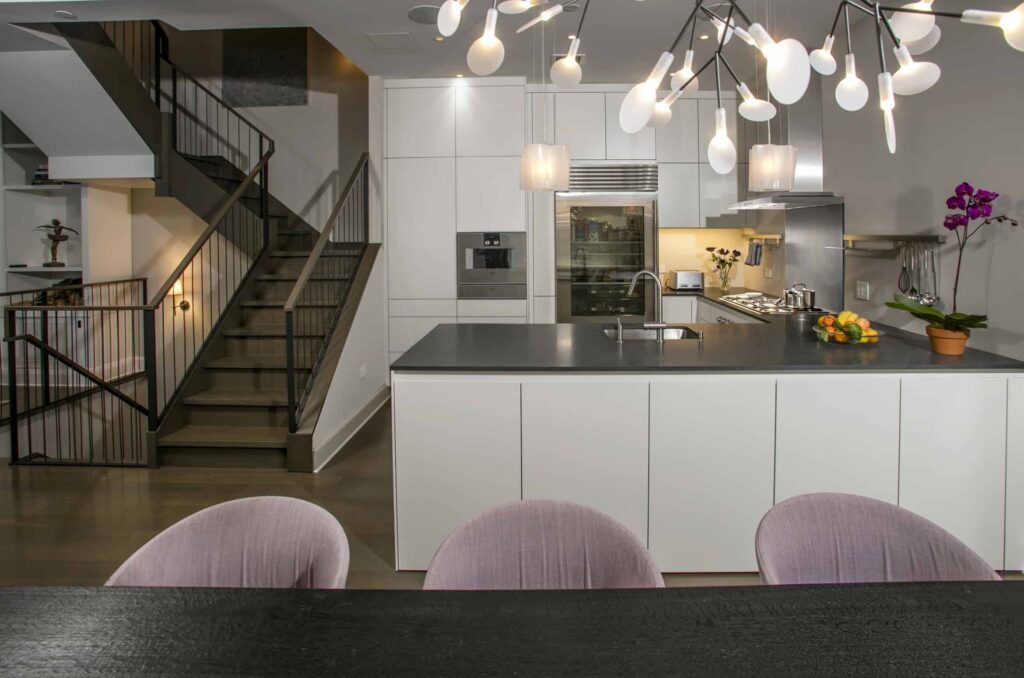
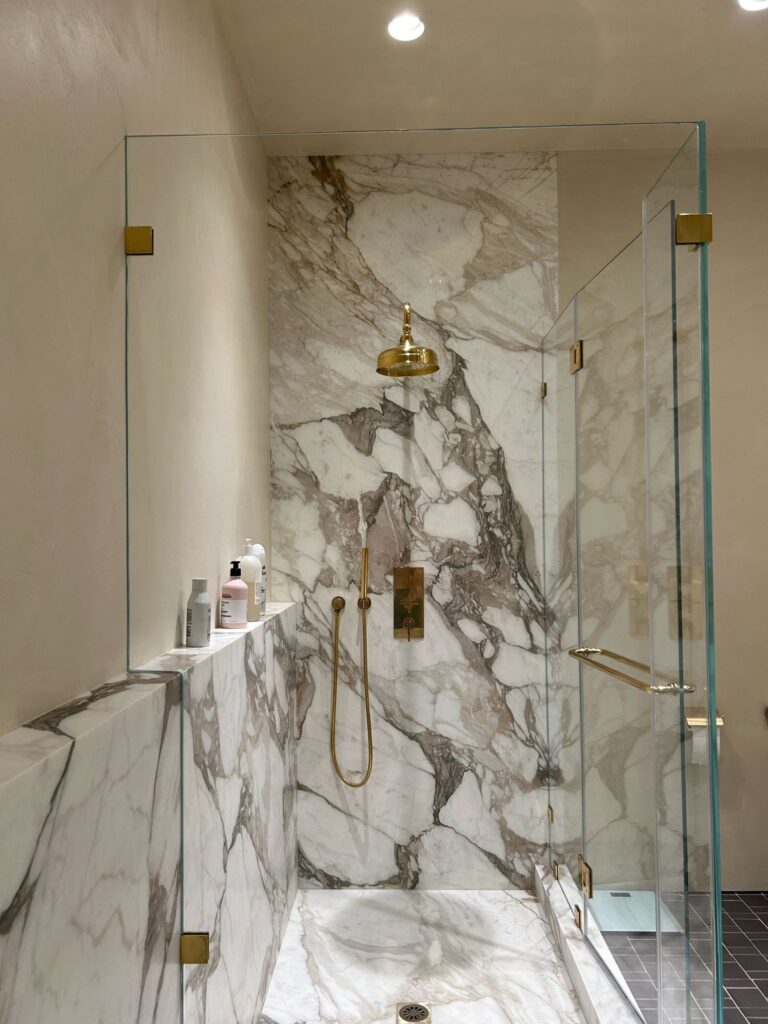
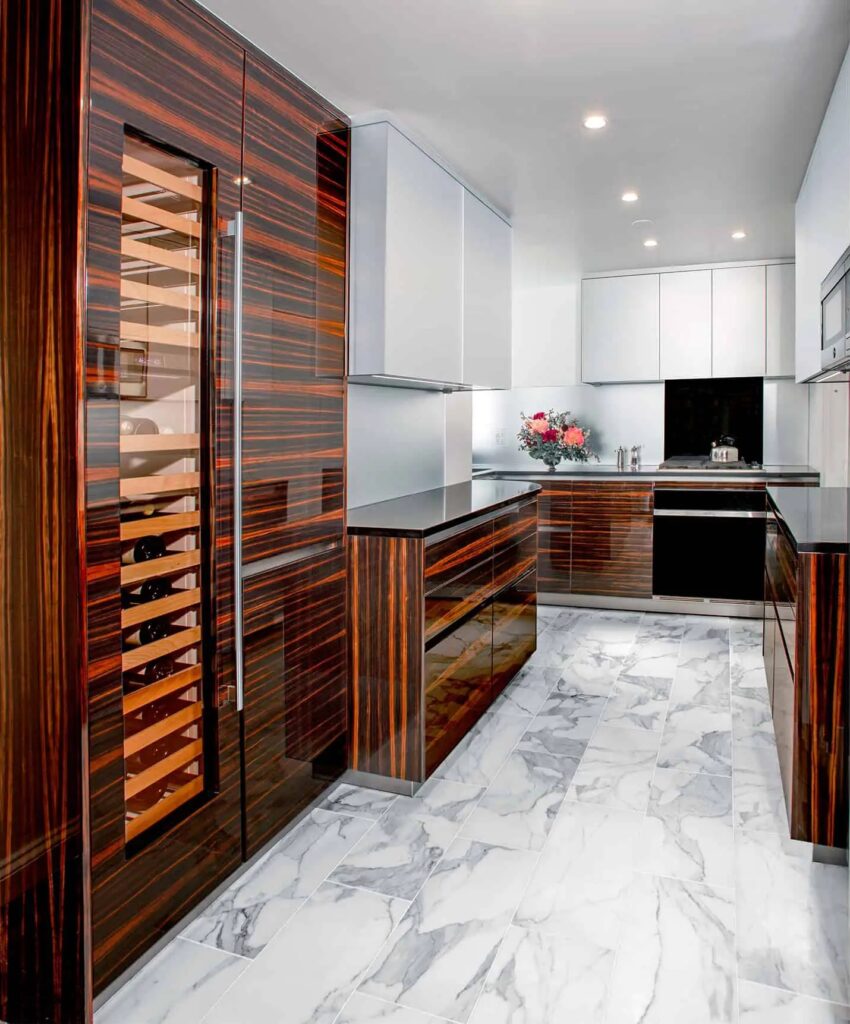
We handle kitchen, bathroom and full apartment and house renovations in Queens, working with the architect or interior designer you choose or directly with owners who know what they want. In apartment buildings we prepare the contractor side of the board or managing agent submission. In houses we coordinate the filings, structural work and systems upgrades an older home often needs. Our shops build custom millwork and fabricate stone, so cabinetry and counters are measured and scheduled by the same team that runs the job. Our offices are in Manhattan and Brooklyn, and our process is the same in every borough; see our process.
Queens Housing: Garden Co-ops, Condo Towers, Tudors and Waterfront Houses
Garden apartment co-ops. Jackson Heights, Sunnyside Gardens and parts of Forest Hills and Kew Gardens are known for low-rise apartment buildings arranged around shared gardens, many built in the 1910s through the 1930s and now owned as co-ops. Apartments often have plaster walls, original wood floors and compact kitchens and bathrooms. Most of these buildings have no freight elevator, and many have no elevator at all, so deliveries, cabinetry and stone are carried by stair and planned in sizes that fit. Plumbing and electrical service can be original in places, which is checked before a kitchen or bathroom layout is set. See pre-war apartment renovation and co-op renovation in NYC.
Postwar co-ops and rentals turned co-ops. Along Queens Boulevard, in Rego Park, Briarwood and Bay Terrace and across northeast Queens, many co-ops date from the 1950s and 1960s. These buildings usually have concrete slabs, lower ceilings and alteration agreements that limit work hours and moving plumbing. Kitchens are often galleys and bathrooms are small, so the work is about using every inch and keeping fixtures near existing risers.
Condominium towers. Long Island City’s waterfront has filled with condominium towers since the early 2000s. Their alteration rules tend to be more flexible than co-ops’, but each building has its own requirements for insurance, deliveries, work hours and coordination with building-wide systems. See condo renovation in NYC.
Detached and semi-detached houses. From Forest Hills Gardens and Jamaica Estates to Douglaston, Malba and Belle Harbor, much of Queens is single-family houses: Tudors with half-timbering and slate roofs, Colonial Revival and Arts and Crafts houses, and waterfront homes. A house renovation often reaches beyond finishes into the structure, roof, windows, heating and electrical service, and it usually requires Department of Buildings filings prepared by the owner’s architect or engineer.
Boards, Historic Districts, Private Associations and Flood Rules
Co-op and condo approvals. As in Manhattan and Brooklyn, a Queens co-op or condo renovation starts with the building’s alteration agreement. Expect drawings for anything beyond cosmetic work, certificates of insurance naming the building and managing agent, a security deposit, approved work hours and, in many co-ops, a wet-over-dry rule that keeps new kitchens and bathrooms from sitting over a neighbor’s living space.
Historic districts. The Landmarks Preservation Commission has designated several historic districts in Queens, including Jackson Heights, Sunnyside Gardens, Douglaston, Douglaston Hill and Hunters Point in Long Island City. Interior renovations in these districts usually do not need Landmarks approval, but changes to windows, doors, facades, roofs, rear additions and anything visible from the street generally do. That review is built into the schedule, and we prepare the contractor side of the application with the owner’s architect.
Private associations. Some Queens communities are governed by private associations with their own design rules. Forest Hills Gardens, for example, is a private planned community whose corporation reviews exterior changes. Owners should check with their association before finalizing exterior work.
Flood zones. Waterfront neighborhoods such as Belle Harbor and the shores of Little Neck Bay and the Long Island Sound include properties in mapped flood zones. When a renovation is large enough to count as a substantial improvement, the house may need to meet current flood-resistant construction rules, which can affect the basement, mechanical equipment and even the height of the first floor. This is confirmed with the architect early, before the scope is fixed.
Queens Neighborhoods We Work In
Gurri Remodel takes on renovations across Queens. Here is what the housing and the work look like in the neighborhoods where we see the most interest.
Long Island City. Waterfront condominium towers in Hunters Point and along the East River, converted industrial loft buildings, and rowhouses in the Hunters Point Historic District. Condo kitchens and bathrooms are often upgraded soon after purchase; loft conversions raise questions of open plans, exposed structure and building-wide systems.
Astoria. Rowhouses, two-family houses and pre-war walk-up and elevator buildings, many converted to co-ops. House renovations often combine a new kitchen and bathrooms with electrical and plumbing upgrades.
Jackson Heights and Sunnyside Gardens. Garden apartment co-ops and attached houses inside two historic districts. Work is planned around walk-up deliveries, board rules and Landmarks review for any exterior change.
Forest Hills and Kew Gardens. Tudor-style houses in Forest Hills Gardens, Arts and Crafts houses in Kew Gardens, and pre-war and postwar co-ops along Queens Boulevard and Austin Street. Houses often need systems updated alongside new kitchens and baths.
Jamaica Estates. Detached houses on large lots, many Tudor and Colonial Revival, where full-house renovations, kitchen expansions and primary suites are common.
Douglaston and Little Neck. Houses in the Douglaston and Douglaston Hill historic districts, including waterfront homes on Little Neck Bay, along with co-ops near the Long Island Rail Road.
Bayside, Malba and Whitestone. Detached houses, many waterfront in Malba and Whitestone, and co-op complexes in Bay Terrace.
Belle Harbor and the Rockaways. Detached houses near the ocean, where flood-zone rules and salt air shape the choice of materials and the layout of mechanical systems.
Not sure whether we cover your street? See all areas we serve or call 718-490-1643.
Queens renovation questions
Do you work in Queens if your offices are in Manhattan and Brooklyn?
Yes. We renovate apartments and houses throughout Queens, with the same crews, project management and in-house millwork and stone fabrication we use in the other boroughs.
Do I need Landmarks approval to renovate in Jackson Heights or Douglaston?
Usually not for interior work. Changes to the exterior, including windows, doors, roofs and rear additions, generally need Landmarks Preservation Commission approval. The architect files the application and we prepare the contractor side.
My co-op has no elevator. Can you still do a full kitchen?
Yes. Cabinets, appliances and stone are sized and scheduled to come up the stairs, and counters may be fabricated in more pieces with planned seams.
My house is in a flood zone. What changes?
If the renovation counts as a substantial improvement, the house may have to meet current flood-resistant construction rules. Your architect confirms this before the scope is fixed, and we plan the work to match.
Related pages
- Manhattan remodeling contractor
- Brooklyn remodeling contractor
- Apartment renovations
- Co-op renovation in NYC
- Condo renovation in NYC
- NYC renovation cost guide
- Questions to ask a renovation contractor
- All areas we serve
Planning a renovation in Queens? Contact us or call 718-490-1643 to discuss your project and request a cost estimate.
Discuss Your Project
Start your high-end NYC remodeling project with a trusted general contractor delivering precision, quality, and expert execution.